Choosing the right custom denim partner is a balance of product capability, consistent quality, transparent pricing, and operational reliability. The best manufacturers can prove their denim expertise through fabric sourcing, wash development, patternmaking, and repeatable QC—not just a nice sample. Use clear benchmarks (fit, shrinkage, colorfastness, seam strength, lead times) and insist on documented approvals before bulk production.
Video Guide: A practical overview of how to evaluate and select a clothing manufacturer, including questions to ask and red flags to avoid.
What is Denim Clothing?
Denim clothing refers to garments made primarily from denim fabric—typically a durable cotton twill with a diagonal rib weave—engineered for strength, wear resistance, and style longevity. It includes jeans, jackets, shirts, skirts, and workwear, often defined by indigo dyeing, contrast stitching, rivets, and wash treatments that change hand-feel and appearance.
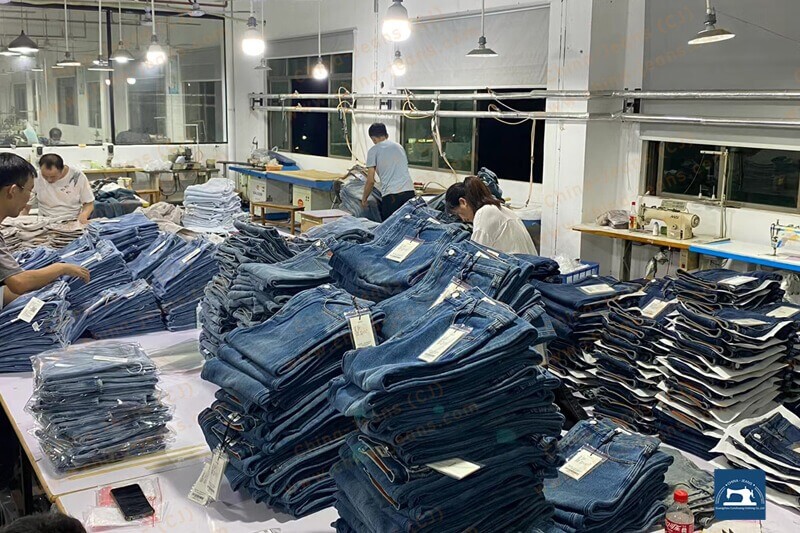
Core materials and garment types in denim
Denim clothing is defined as much by construction and finishing as by fabric. For manufacturing decisions, focus on the “denim system”: fiber + yarn + weave + dye + finishing + garment build.
Common denim garment categories
- Bottoms: 5-pocket jeans, carpenter pants, cargo jeans, skirts
- Tops: trucker jackets, chore coats, overshirts
- One-pieces: jumpsuits, overalls
- Workwear: reinforced panels, double-knee, utility loops
Key denim fabric variables manufacturers must control
- Weight: typically measured in oz/yd² (e.g., 10–16 oz)
- Stretch: rigid, comfort stretch, performance stretch
- Dye system: indigo, sulfur, black, ecru
- Finishing: sanforized vs. unsanforized, brushed, coated
- Wash & effects: rinse, enzyme, stone, bleach, tint, resin, whiskers
DenimBulk Pro Tip: I treat “denim clothing” as a spec package, not a vibe—define fabric weight, stretch %, shrink targets, and wash recipe up front so your factory can quote and sample accurately without changing the product midstream.
How Does Denim Clothing Work?
Denim clothing “works” through a combination of fabric structure and garment engineering: the twill weave creates durability, indigo dyeing enables characteristic fading, and reinforcement details (rivets, bar tacks, seam types) manage stress points. Performance in wear depends on fabric weight, stretch recovery, shrink control, wash chemistry, and consistent pattern grading across sizes.
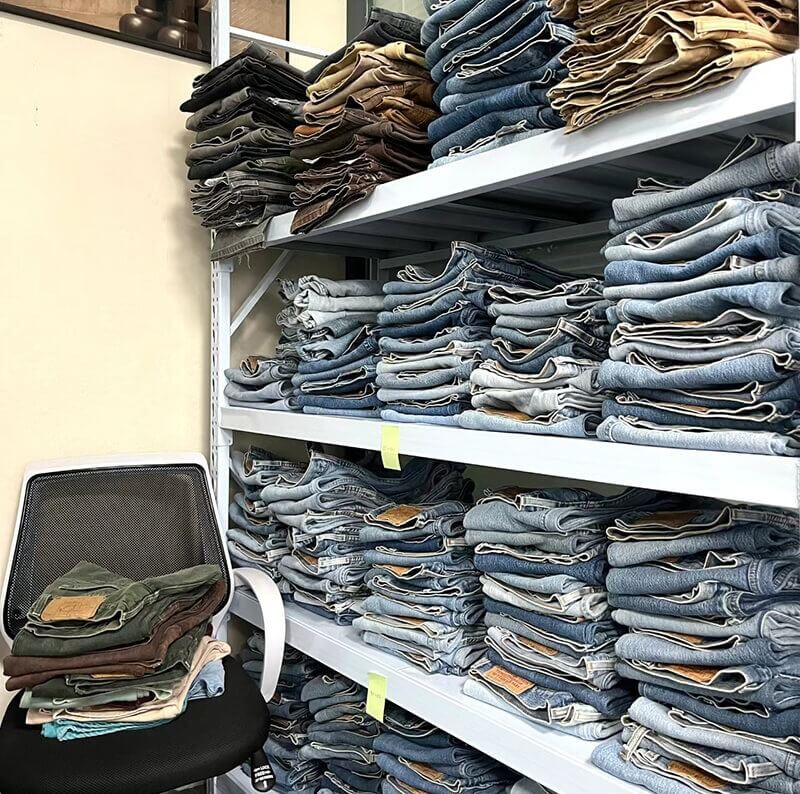
Manufacturing flow from yarn to finished jeans
In production, denim is less about a single step and more about controlling variability across many steps—especially dyeing, washing, and sewing.
Fabric selection & testing
- Choose weight, composition (100% cotton vs blends), and stretch targets.
- Test shrinkage, skew, colorfastness, and tensile/tear strength.
Patternmaking & fit approval
- Create base pattern, grade sizes, and confirm measurement tolerances.
- Build proto sample, then fit sample(s) until approved.
Cutting & bundling
- Lay planning to minimize shade variation issues.
- Bundle by shade lot if needed.
Sewing & reinforcement
- Seam selection (felled, overlock, chainstitch) impacts durability and look.
- Add bar tacks/rivets at stress points.
Washing & finishing
- Apply wash recipe (enzyme/stone/bleach/tint/resin).
- Drying and pressing to stabilize shape and hand-feel.
Final QC & packing
- Measure audits, appearance checks, shade control, and hardware inspection.
DenimBulk Pro Tip: I always require a “wash standard” (photo + physical reference) and approve it before bulk—without that, even a good factory can’t reliably match color, contrast, and abrasion level across production lots.
What are the best denim fabric manufacturers?
The best denim fabric manufacturers are those with consistent shade control, proven quality testing, reliable lead times, and a fabric library that matches your product tier (rigid, stretch, selvedge, sustainable). “Best” depends on your target: premium heritage, fashion washes, cost-efficient basics, or low-impact dyeing and recycled content.
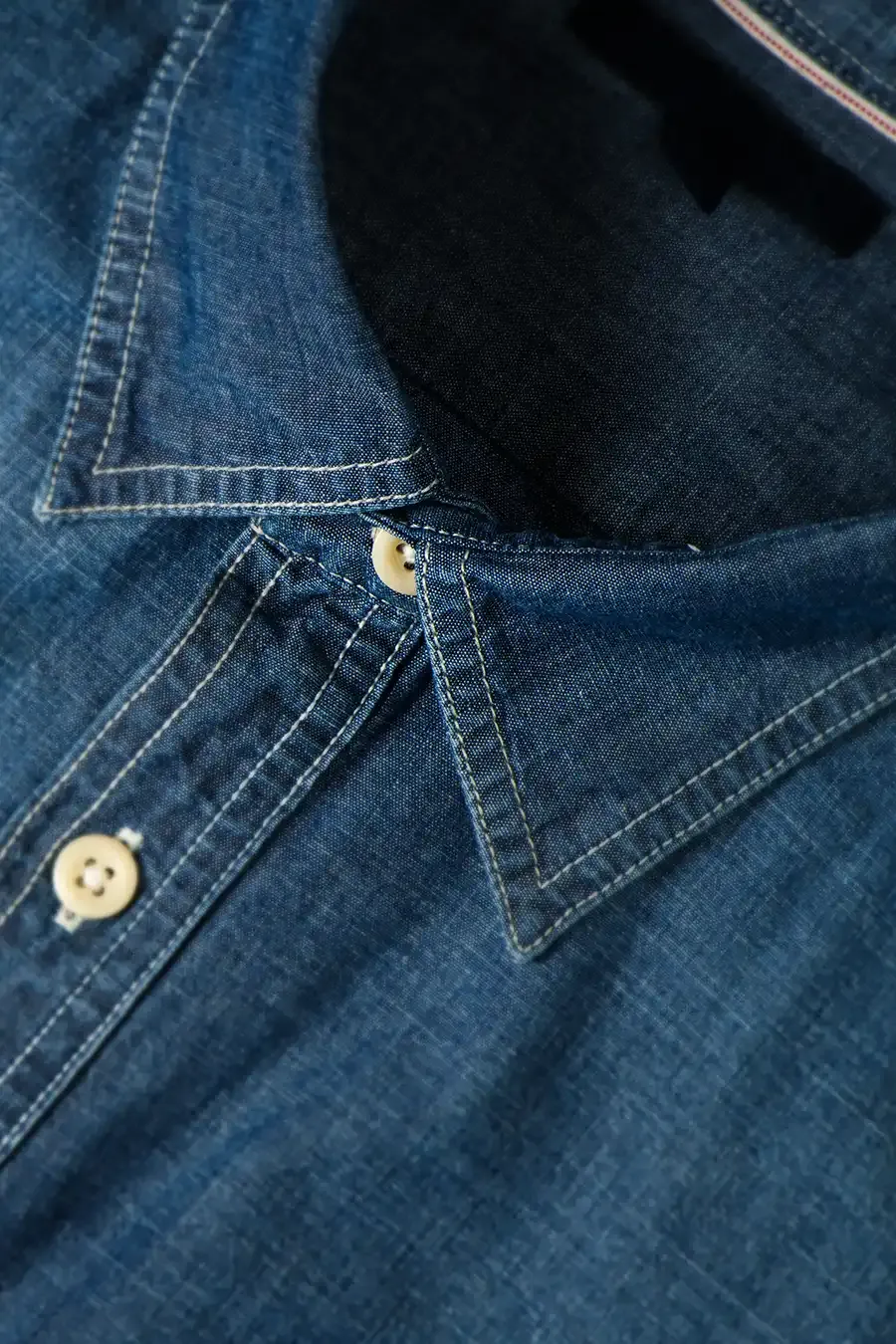
How to shortlist fabric mills for your denim program
Instead of chasing a single “#1 mill,” build a shortlist based on performance, aesthetics, and supply reliability.
Shortlist criteria you should verify
- Shade consistency: lot-to-lot variation control
- Shrink/skew management: sanforization and test reports
- Stretch & recovery: especially for skinny/straight fits
- Wash performance: how the fabric reacts to enzyme/bleach/resin
- Compliance: restricted substances, traceability, audit readiness
- MOQ & availability: stock program vs custom development
Request these items from any mill
- Fabric spec sheet (composition, weight, construction)
- Lab dips / shade bands for indigo and black
- Test reports (shrinkage, colorfastness, pilling, tear strength)
- Bulk lead time + repeatability statement
DenimBulk Pro Tip: I ask mills for two things early: a shade band and shrink/skew results after the exact wash you plan to sell—if they can’t support those requests, the risk lands on your brand at bulk.
What is the 2 finger test for jeans?
The 2 finger test is a quick fit check where you slide two fingers into the waistband (typically at the back or side) while wearing jeans. If two fingers fit snugly, the waist is often considered appropriately fitted; too tight means discomfort, too loose means the jeans may slip or gap—especially after wear stretch.
How to use it correctly (and where it fails)
This test is useful for fast sampling reviews, but it’s not a substitute for measurement specs and wear testing.
How to perform the test
- Wear the jeans at the intended rise position (high/mid/low).
- Insert two fingers between waistband and body.
- Assess: snug (good), cramped (too tight), roomy (too loose).
- Walk/sit for 2–3 minutes to feel pressure points and slippage.
- Re-check after movement—stretch denim relaxes quickly.
Limitations you should account for
- Different body types change waistband behavior (hips/waist ratio).
- Stretch % and recovery can make “good at first” become “too loose.”
- Unsanforized or poorly controlled shrink can flip results after wash.
DenimBulk Pro Tip: I only use the 2 finger test as a fast screening tool—final approval should be based on a measurement spec (with tolerances) plus a wash test and a 30–60 minute wear test for stretch styles.
Which company makes the best denim?
No single company makes the “best” denim for every brand; the best choice depends on your price point, fit targets, wash aesthetic, and sustainability requirements. Premium heritage lines may prioritize selvedge and long-staple cotton, while fashion programs prioritize wash response and softness, and value programs prioritize stability and cost control.
Choosing “best” based on your product strategy
Define what “best” means for your line, then align your manufacturer and fabric source to those outcomes.
Common “best denim” definitions by brand type
- Premium: rich indigo, strong character fading, high-quality trims
- Fashion: consistent wash effects, soft hand-feel, rapid development
- Workwear: abrasion resistance, reinforced construction, heavy weights
- Sustainable: recycled fibers, low-impact dyeing, traceable supply
What to request from a manufacturer to prove capability
- 2–3 reference styles they’ve produced similar to yours
- A wash book showing range and repeatability
- QC checkpoints and AQL standards
- Bulk production timeline with critical path
DenimBulk Pro Tip: I judge “best” by repeatability: if a supplier can match wash, shade, measurements, and hand-feel across reorders with low defect rates, they’re better for your business than a factory that only makes one perfect sample.
Key Features & Comparison
The best way to compare custom denim manufacturers is to score them on repeatable quality, denim-specific development (wash, pattern, trims), transparency in costing, MOQ flexibility, and production capacity. A structured comparison prevents costly issues like shade mismatch, unpredictable shrinkage, and inconsistent fit across sizes and reorders.
Side-by-side evaluation criteria for denim manufacturing
Based on our internal data and market analysis, here is the breakdown:
| Evaluation Area | What “Good” Looks Like | What to Ask For | Typical Red Flag |
|---|---|---|---|
| Denim fabric sourcing | Multiple mills, shade control process | Shade bands, test reports | “We’ll match later” without data |
| Wash development | Documented recipes, controlled variance | Wash standards + tolerances | One-off sample wash, no standard |
| Pattern & grading | Consistent fit across sizes | Spec + graded nest review | Size set errors, no tolerance plan |
| QC system | In-line + final inspection, AQL | QC reports, defect photos | Only final QC or none documented |
| Capacity & lead time | Clear critical path and buffers | Production calendar | Vague timelines, shifting ETAs |
| Cost transparency | Itemized costing, clear change rules | BOM + labor/wash adders | Hidden surcharges at bulk |
| Compliance | RSL adherence, audit readiness | Certificates + audit reports | Evasive answers on chemicals |
| Communication | Fast sampling feedback loops | Single point of contact | Slow replies, unclear ownership |
DenimBulk Pro Tip: I recommend scoring factories with a simple 1–5 rubric for each row above and choosing based on total score plus your top two “non-negotiables” (usually wash repeatability and fit consistency).
Cost & Buying Factors
Custom denim costs are driven by fabric (weight, stretch, mill), wash complexity (enzyme, bleach, resin, hand-sanding), trims (zippers, rivets, leather patches), and QC requirements. Buying decisions should balance MOQ, sampling fees, lead times, defect allowances, and reorder stability—because denim often gets expensive when rework, shade issues, or fit corrections hit at bulk.
Practical pricing drivers and what to lock in before PO
Use a cost framework that separates “fixed development” from “per-unit production,” then confirm every variable that can change later.
Main cost drivers
- Fabric: premium mills, heavier weights, special finishes
- Wash: more steps = higher cost and higher variance risk
- Trims: branded hardware, custom labels/patches, thread upgrades
- Construction: felled seams, chainstitch hems, reinforcement points
- Testing & compliance: lab tests, restricted substances controls
- Packaging: hangtags, polybags, carton specs
Buying checklist before you place a bulk order
- Final tech pack (measurements + tolerances)
- Approved size set and wash standard
- Fabric lot/shade control plan
- QC standard (AQL) and rework policy
- Clear Incoterms, payment schedule, and lead times
- Reorder plan (how they will replicate wash and fit)
DenimBulk Pro Tip: I always separate the quote into fabric, cut/sew, wash, trims, and packing—when denim costs rise later, this breakdown tells you exactly which lever to pull without compromising the whole product.
Conclusion
Selecting a custom denim clothing manufacturer is ultimately a risk-control exercise: prove denim capability, lock specs, standardize washes, and confirm QC and timelines before committing to bulk. If you evaluate partners with a structured scorecard and require documented approvals, you’ll protect fit consistency, shade accuracy, and margins as you scale.
DenimBulk Pro Tip: If you want the fastest path to a reliable supplier, I start with a small pilot run using your strictest wash and most sensitive fit—if they can pass that, they can handle your full denim range.